Marble Portraits of Emperor Antoninus Pius Emperor Antoninus Pius, also known as Titus Aurelius Fulvus Boionius Arrius Antoninus Pius Augustus, was one of the most respected emperors in Roman history. He ruled the Roman Empire from 138 to 161 AD and was known for his wisdom, justice, and generosity. He was also known for his love of art and his interest in preserving the cultural heritage of Rome.
One of the most famous expressions of Antoninus Pius’s love of art and cultural heritage is the marble portraits that were created of him during his reign. These portraits were made from high-quality marble and were designed to be displayed in public places, such as temples, forums, and public squares, throughout the Roman Empire. They were created by some of the most skilled sculptors of the time and are considered some of the finest examples of Roman portraiture.
The marble portraits of Antoninus Pius were designed to be lifelike and accurate representations of the emperor. They depicted him with a regal and dignified appearance, wearing the traditional toga and adorned with a laurel wreath on his head, signifying his power and authority. These portraits were meant to inspire awe and respect in the people of the Roman Empire and to serve as a symbol of the emperor’s power and greatness.
Marble portraits of Emperor Antoninus Pius represent a significant artistic and historical achievement of the Roman Empire, highlighting the emperor’s life and accomplishments, while also reflecting the artistic and cultural trends of the time.
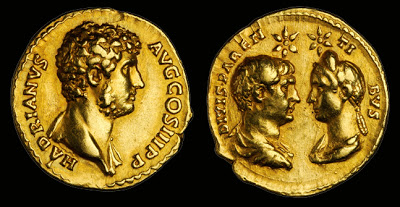
The gold aureus of Hadrian represents an important artifact of the Roman Empire, providing a unique insight into the political, economic, and artistic achievements of the emperor and the wider Roman culture of the time.
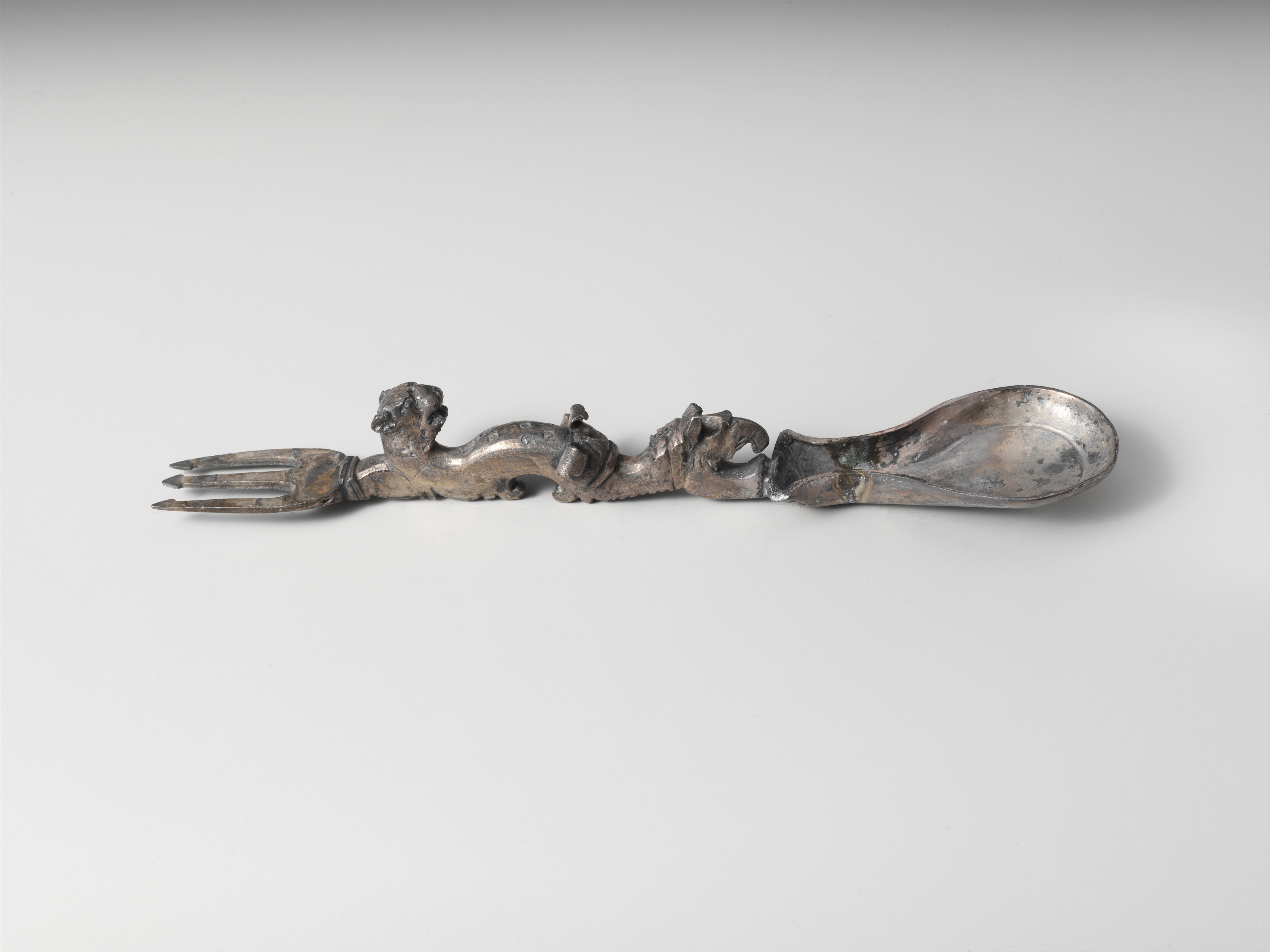
The silver spoon and fork from Ancient Rome represent significant cultural artifacts that shed light on the culinary and social practices of the Roman elite, while also reflecting the artistic and technological achievements of the time.
The style of the marble portraits of Antoninus Pius was heavily influenced by Greek art and reflected the cultural heritage of the Roman Empire. The sculptors of these portraits used classical proportions, naturalistic forms, and fine details to create lifelike images of the emperor that conveyed his authority, wisdom, and strength. The marble used to create these portraits was carefully selected and carefully worked to ensure that the portraits would withstand the passage of time and continue to be admired for generations to come.
Today, the marble portraits of Antoninus Pius are considered some of the finest examples of Roman portraiture and are considered to be important works of art in their own right. They are displayed in museums and galleries around the world and continue to inspire awe and admiration in visitors who come to see them.
In conclusion, the marble portraits of Emperor Antoninus Pius are an important expression of his love of art and cultural heritage and serve as a testament to his wisdom, justice, and generosity. These portraits continue to be admired and appreciated for their beauty, accuracy, and historical significance and remain a symbol of the power and greatness of the Roman Empire.

The Gold Aureus of Hadrian: A Treasure of the Roman Empire The gold aureus was one of the most valuable and sought-after coins in the Roman Empire. These coins were minted from gold and were used as currency throughout the empire, as well as being traded as a valuable commodity in their own right. The gold aureus was also used as a symbol of power and wealth and was often given as gifts to important individuals and officials.
One of the most famous and valuable gold aurei was minted during the reign of Emperor Hadrian, who ruled the Roman Empire from 117 to 138 AD. These coins, also known as the Gold Aureus of Hadrian, are considered some of the finest examples of Roman coinage and are highly prized by collectors and historians alike.
The Gold Aureus of Hadrian was struck from high-quality gold and featured a portrait of the emperor on the obverse side. The portrait was an accurate representation of Hadrian and depicted him wearing a beard and a laureate wreath, which symbolized his power and wisdom. The reverse side of the coin featured a variety of different designs, including images of the goddess Roma, the emperor’s wife, or a depiction of the emperor making a sacrifice to the gods.
One of the unique features of the Gold Aureus of Hadrian was its weight. Unlike many other Roman coins, which were often lighter than their nominal value, the gold aurei of Hadrian were exactly one aureus in weight, which was equivalent to 25.8 grams of gold. This made them much more valuable and desirable than other Roman coins and helped to establish them as a symbol of wealth and power.
Today, the Gold Aureus of Hadrian is considered one of the most valuable and sought-after coins in the world. These coins are highly prized by collectors and are often sold at auctions for large sums of money. They are also considered an important part of the cultural heritage of the Roman Empire and serve as a reminder of the wealth, power, and influence of the emperor Hadrian.
In conclusion, the Gold Aureus of Hadrian is a treasure of the Roman Empire, prized for its beauty, historical significance, and value. These coins continue to inspire awe and admiration in collectors and historians and serve as a symbol of the wealth and power of the Roman Empire.
The Silver Spoon and Fork: A Glimpse into Ancient Roman Dining Culture. Dining culture has always been an important aspect of society and the ancient Romans were no exception. They took great pride in their dining customs and believed that the way they ate was a reflection of their wealth, status, and sophistication. This is evident in the many artifacts and relics that have been uncovered from ancient Rome, including the silver spoon and fork.
The silver spoon and fork were used by the ancient Romans to eat their meals and were a symbol of their wealth and status. The spoons and forks were made from high-quality silver and were carefully crafted to be beautiful and functional. They were designed to be comfortable to hold and to make eating easier, which was important in a society where dining was a key part of daily life.
The use of silver spoons and forks was not just limited to the wealthy elite of ancient Rome. They were also used by the middle class, who sought to imitate the customs and traditions of the wealthy. This helped to spread the popularity of silver dining utensils and helped to establish them as a symbol of sophistication and wealth throughout the Roman Empire.
One of the interesting things about ancient Roman spoons and forks is the variety of designs and styles that were used. Some spoons and forks were designed to be simple and functional, while others were more ornate and decorative. Some were shaped like animals, such as a snake or a bird, while others featured intricate carvings and designs. This variety of styles reflects the diversity of ancient Roman society and the different tastes and preferences of the people who used these utensils.
Today, the silver spoon and fork from ancient Rome are considered important artifacts and are highly prized by collectors and historians. They serve as a reminder of the dining culture of the Roman Empire and are an important part of the cultural heritage of ancient Rome.
In conclusion, the silver spoon and fork from ancient Rome provide a glimpse into the dining culture of the Roman Empire. They are a symbol of the wealth, status, and sophistication of the ancient Romans and continue to inspire awe and admiration in collectors and historians. These artifacts are an important part of the cultural heritage of ancient Rome and provide an insight into the daily life and customs of this fascinating civilization.
 Ancient Rome